Video was prepared for the 70th anniversary of Operation North, but eyewitness testimonies are timeless
75 Years Since Operation North — Descendants of Deported Jehovah’s Witnesses Are Persecuted Just Like Their Predecessors
“To be expelled forever... 2 hours to pack.” This is how Operation North, the largest deportation based on religion in the history of the USSR, began 75 years ago, on April 1, 1951. The fatal words, signed by Stalin, echoed in the homes of thousands of Jehovah’s Witnesses. Today in Russia, their children and grandchildren are being persecuted for their faith. Growing up they heard reports about night raids, inhumane conditions in freight cars, and the uninhabited Siberian wilderness. For today’s prisoners of conscience, those stories are not merely family heritage — it is their reality.
Jehovah’s Witnesses — to the North
In the early 1940s, Soviet authorities accused Jehovah’s Witnesses of “anti-Soviet activity,” the trigger being their refusal to compromise Christian principles and to give unconditional support to party ideology.
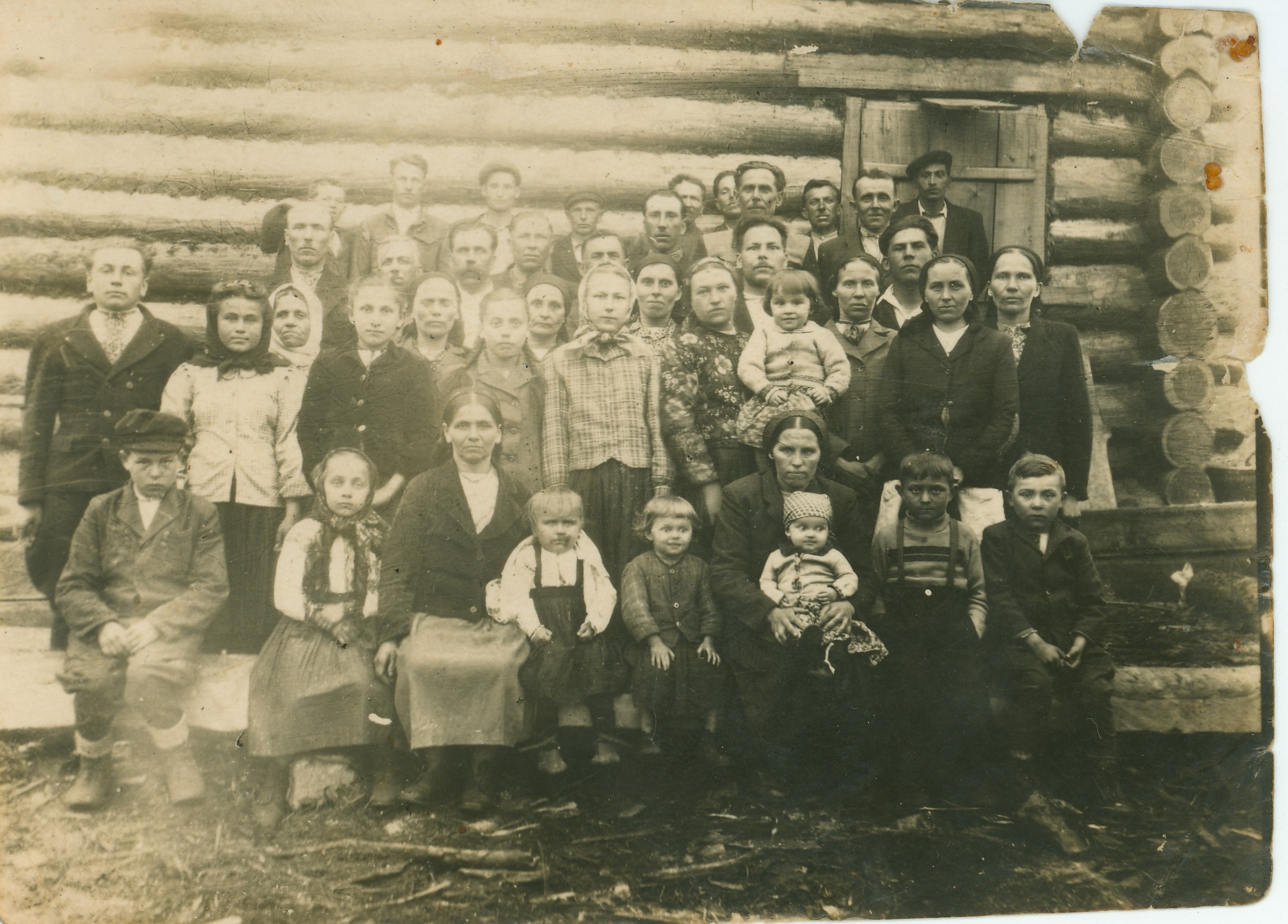
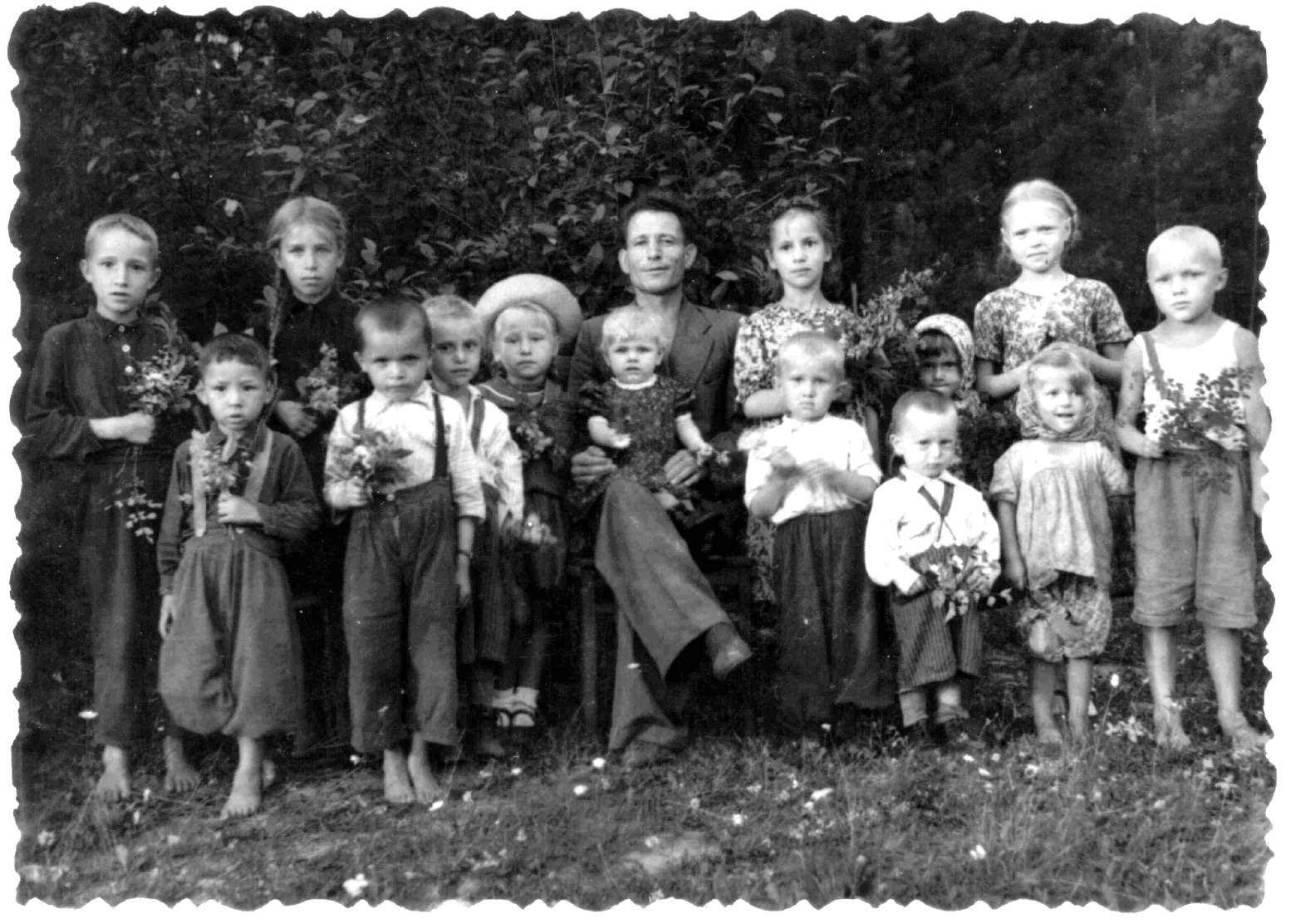
Persecution came in waves. Between 1947 and 1950, at least 1,000 Witnesses were sentenced to lengthy terms in labor camps, and hundreds were deported beyond the Urals. The peak came in 1951. On April 1, the deportation of Jehovah’s Witnesses from the Belorussian, Latvian, Lithuanian, Moldavian, and Estonian SSRs began. A week later, on April 8, they came for believers in the Ukrainian SSR. In just a few days, 9,793 Jehovah’s Witnesses were deported from these regions. Young and old, families with children — all were deported to the Tomsk and Irkutsk Regions and Krasnoyarsk Territory.
To date, Russian authorities have groundlessly charged more than 940 Jehovah’s Witnesses with extremism, for “undermining the constitutional order and posing a threat to public security.” About a dozen and a half of them are descendants of these same deportees.
“So many in authority refuse to acknowledge the obvious”
In June 2022, Yevgeniy Zinich, 59, from Krasnoyarsk was sentenced to 6 years’ imprisonment for his faith. He is serving his sentence in the Siberian city of Surgut. As children, the believer’s parents — also Jehovah’s Witnesses — were deported from the Lviv Region to Khakassia under Operation North.
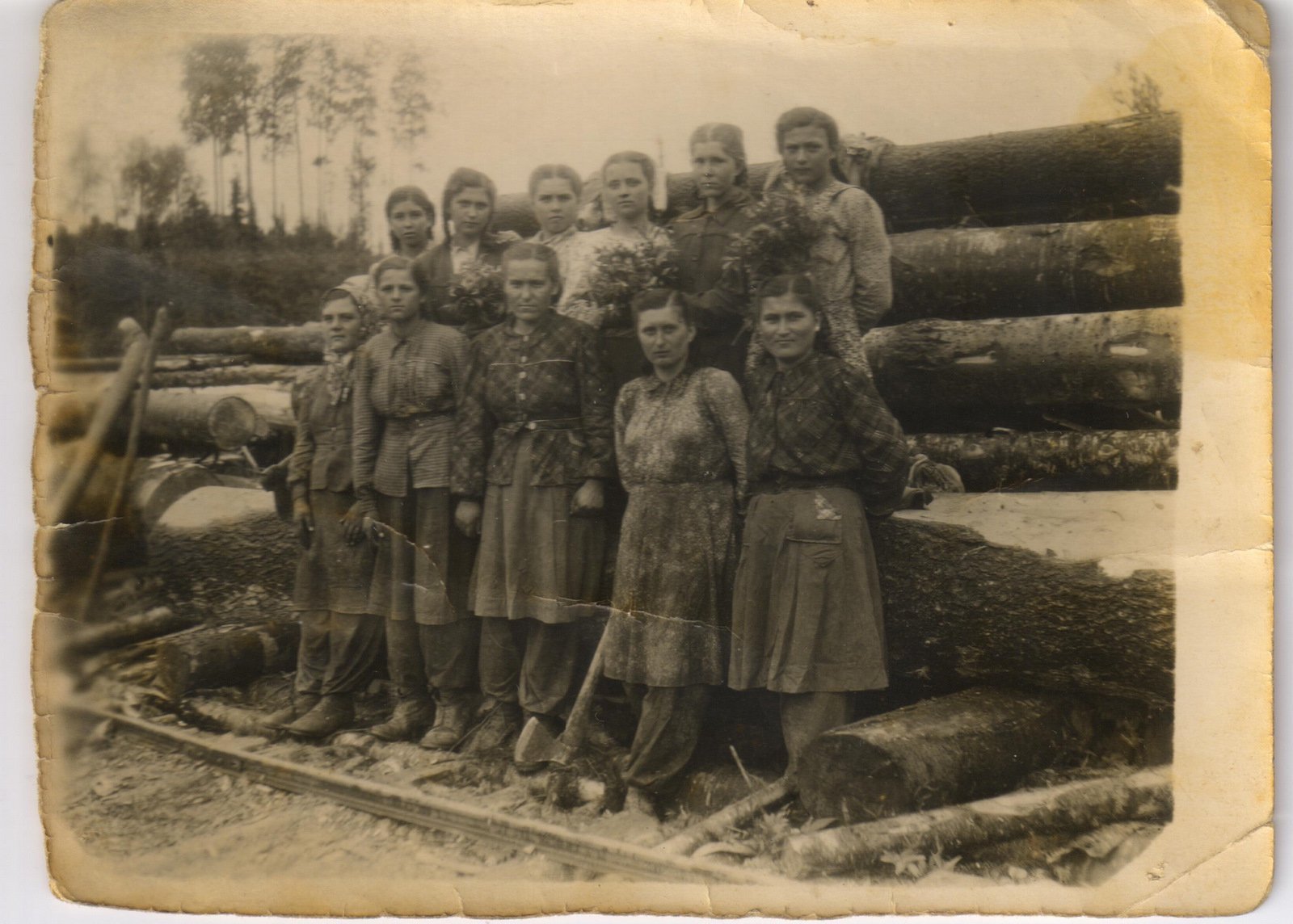
“Neither my mother nor her parents harbored any anger toward their oppressors... Within the family they spoke about the cruel treatment they endured, but without hatred or a desire for revenge,” Yevgeniy told the court shortly before sentencing. “It deeply saddens my mother... that so many in authority refuse to acknowledge the obvious — that my faith excludes extremism. She [who will turn 87 in April] very much hopes to live to see the day I am acquitted.”
Yevgeniy’s wife, Mariya, will not see it. “According to doctors, the stress caused by my criminal prosecution was one of the reasons for her premature death,” Yevgeniy says. Mariya’s parents also survived deportation.
“It’s like we’ve taken up the baton”
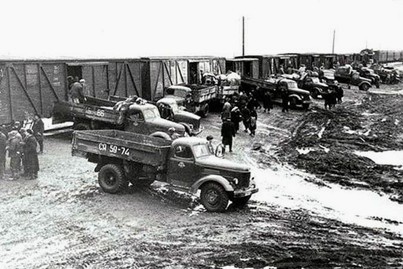
Aleksandr and Mikhail Shevchuk — brothers from Saransk — are fourth generation Jehovah’s Witnesses. Criminal cases were initiated against both a few years apart, resulting in prison terms: Aleksandr served 2 years, while Mikhail, sentenced to 6.5 years, is being held in a pretrial detention center, awaiting appeal. Repression in their family dates back to the 1940s.
“First, our great grandfathers — back when they lived in Western Ukraine — were sentenced to 10 years in a colony merely for practicing the teachings of Jehovah’s Witnesses,” Aleksandr Shevchuk recalls. “Then in 1951 their wives and children were deported to Siberia. In the 1970s, both grandfathers were sent to a colony simply for being Jehovah’s Witnesses. Later, our father was sentenced for refusing military service.”
According to Mikhail, their family’s history of steadfastness helped him face the persecution directed at him personally with dignity. “Grandfather even called me and joked: ‘Well, it’s your turn now,’” Mikhail recalls. “It’s like we’ve taken up the baton.”
“I want to keep walking in my parents’ footsteps”
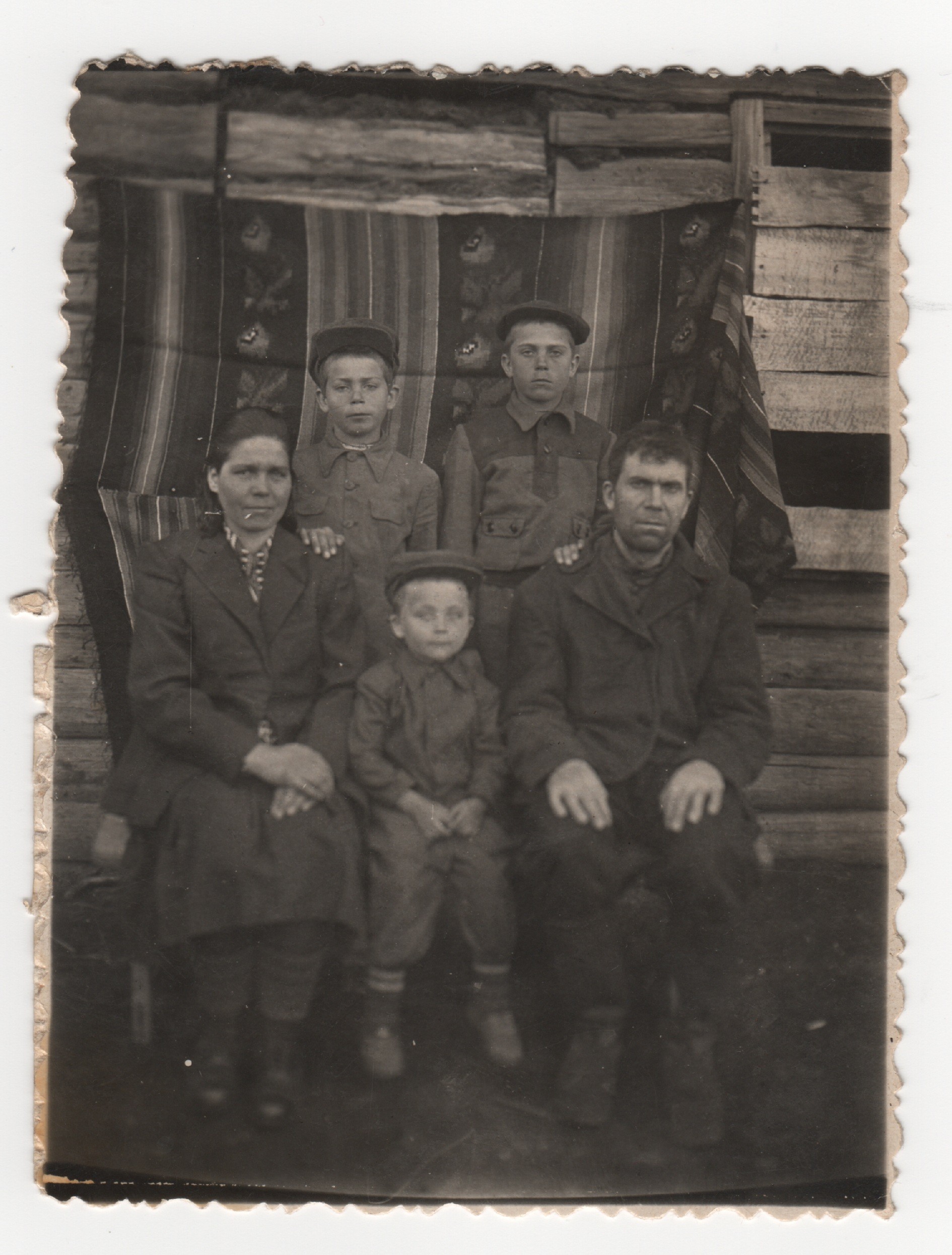
Aleksandr Ursu is already 86. As a child, he was deported from Moldova together with his parents and other relatives. He recalls: “It was July 6, 1949. I was nine and a half. It was still dark when the soldiers woke us up. They came in and read out that we were being sent into permanent exile. Two soldiers began to tear things from the walls and packing them: take them, they will be useful to you... They took us to the border of the Kurgan and Tyumen Regions. To the middle of nowhere.”
Aleksandr now lives in Crimea. On November 18, 2018, a special forces unit burst into the home where he lived with his wife and his son’s family. Force was used against elderly Aleksandr.
Viktor Ursu, Aleksandr’s 60 year old son, is currently imprisoned. He was sentenced to 6 years in a penal colony for his religious beliefs. His address to the court before sentencing drew numerous historical parallels: “Lacking the ability — or the desire — to convict the believers for their beliefs, they pinned labels on them: Bolshevists, imperialists, spies... Now they are trying to pin the label of extremism on me.”
“I want to keep walking in the footsteps of my parents, grandmothers and grandfathers, and many dear to me,” Viktor concluded. “They were willing to hold on to what they knew to be true, no matter the cost.”
“Renounce your faith in exchange for an end to criminal prosecution”
As in Soviet times, modern day believers can avoid prosecution if they sign a document stating that they are no longer Jehovah’s Witnesses. Yaroslav Kalin, born in exile and a fourth generation Jehovah’s Witness, described the circumstances of his arrest in the fall of 2021 while addressing the court: “When I was taken to the police station, I was given the opportunity to renounce my faith in exchange for ending the criminal prosecution. The investigator confirmed that my ‘guilt’ wasn’t about having committed any actual crime.”
In March 2024, Yaroslav and eight of his fellow believers were sentenced to lengthy prison terms. Kalin received 7 years. Before sentencing, he spent more than 2 years in solitary confinement. “I spent 840 days in ‘solitary’ — in the worst, inhumane conditions. I thank Jehovah that he allowed me not to lose my mind, that I stand before you alive and healthy,” he said during the court hearings.
In court, Yaroslav thanked not only God. He expressed gratitude to court staff and to the prosecutor for their respectful treatment.
“Suffering repression, Jehovah’s Witnesses do not become embittered and do not stop being Christians. There are no handcuffs or bars that can shackle genuine faith,” commented Yaroslav Sivulskiy, a representative of the European Association of Jehovah’s Witnesses. “Those who have faced repression — then and now — are often among the first to hurry to help new prisoners of conscience.”
“I received letters of support from children and grandchildren of victims of repression,” said Yekaterina Pegasheva of Yoshkar Ola in court. “They were among the very first to support me when I was held in a pretrial detention center because they know and understand what it’s like.”
Five years ago, shortly after the 70th anniversary of Operation North, the court gave Yekaterina a suspended sentence of 6.5 years.
“Guided by a sense of repentance”
On March 14, 1996, the President of the Russian Federation signed Decree No. 378, “On Measures to Rehabilitate Clergy and Believers Who Have Become Victims of Unjustified Repression.” “In order to restore justice and the lawful rights of citizens of Russia to freedom of conscience and religion, guided by a sense of repentance,” the Russian state recognized that the persecution of Jehovah’s Witnesses had been unjustified. Many families still keep certificates identifying them as victims of repression and receive benefits on that basis.